Fashion & Retail Marketing 2026: How Nordic CMOs will turn AI, data and “wiser wallets” into growth
Download the full Fashion & Retail Marketing 2026 report
LOOKING AHEAD
Nordic fashion and retail head into 2026 with consumer demand under pressure, rapid AI adoption, rising expectations for seamless omnichannel experiences and a tougher insistence on proof of ROI. Inflation and cautious spending define the macro backdrop – yet younger consumers still seek inspiration, community and values‑driven brands.
Retailers now have to deliver both: pragmatic value and emotional payoff – at scale, across channels, and under board‑level scrutiny.
Below are the five trends that will define 2026 – and what they mean for marketing.
Download the extensive report. Fill out the form and get access instantly.
Below is the executive summery – fill out the form above to get access to our full report.
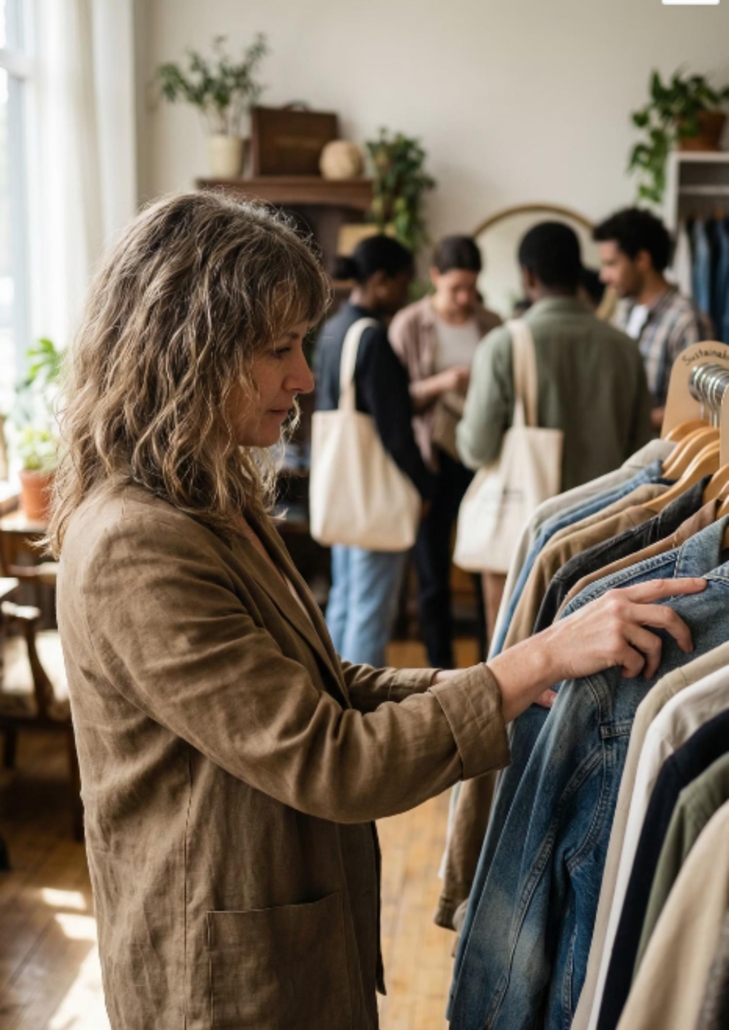
Nordic consumers enter 2026 more price‑sensitive, selective and intentional. Shoppers scrutinise price, quality and sustainability – yet still want inspiration, creativity and a sense of belonging.
Gen Z, in particular, demands hybrid experiences: frictionless movement between social feeds, mobile and physical stores. They expect transparency, ethical choices and curated journeys that connect digital and physical touchpoints. Influencers, employees‑as‑creators and community‑driven content continue to outperform purely polished, one‑way brand campaigns.
What it means:
Value must be obvious. Experiences must feel real. Brand trust must be earned – and re‑earned – every day.
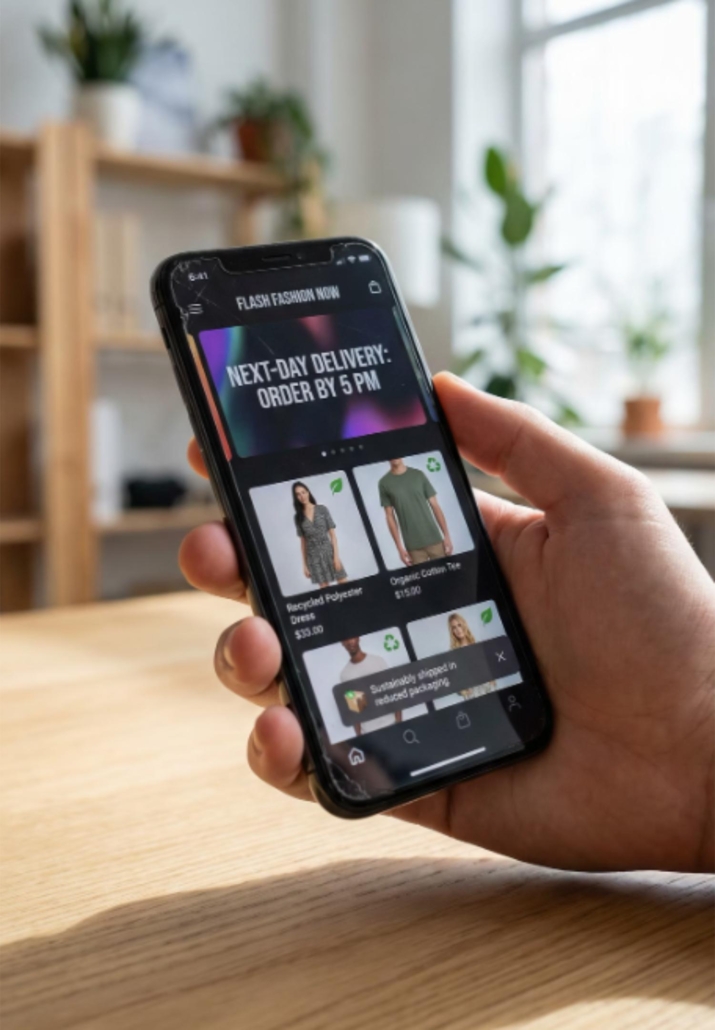
AI moves from pilot to infrastructure. Nordic retailers now use it for dynamic pricing, product recommendations, visual search, media optimisation, creative production, customer service and inventory forecasting.
First‑party data becomes the competitive moat as cookie‑based targeting fades. Retailers invest in loyalty programmes, CDPs, server‑side tracking and consent‑driven data frameworks. Stores evolve into experience centres, while TikTok, Instagram, retail media and live shopping become essential demand and discovery engines.
What it means:
Retailers must master data ownership, AI‑driven personalisation and consistent omnichannel journeys – or risk falling behind faster, more connected competitors.
Classic “big campaign” thinking is being replaced by contextual, real‑time relevance. Brands activate triggers tied to weather, social trends, product drops, store events and browsing behaviour.
To feed platforms and algorithms, creative diversity is critical: multiple formats, lengths, tones and concepts built from a coherent brand system. A single “hero film” is no longer enough. Retailers that orchestrate cohesive content across social, e‑commerce, email, in‑store and apps see the strongest lift in both traffic and conversion.
What it means:
Relevance > reach. Retailers win by showing up with the right message, in the right place, at the right moment.

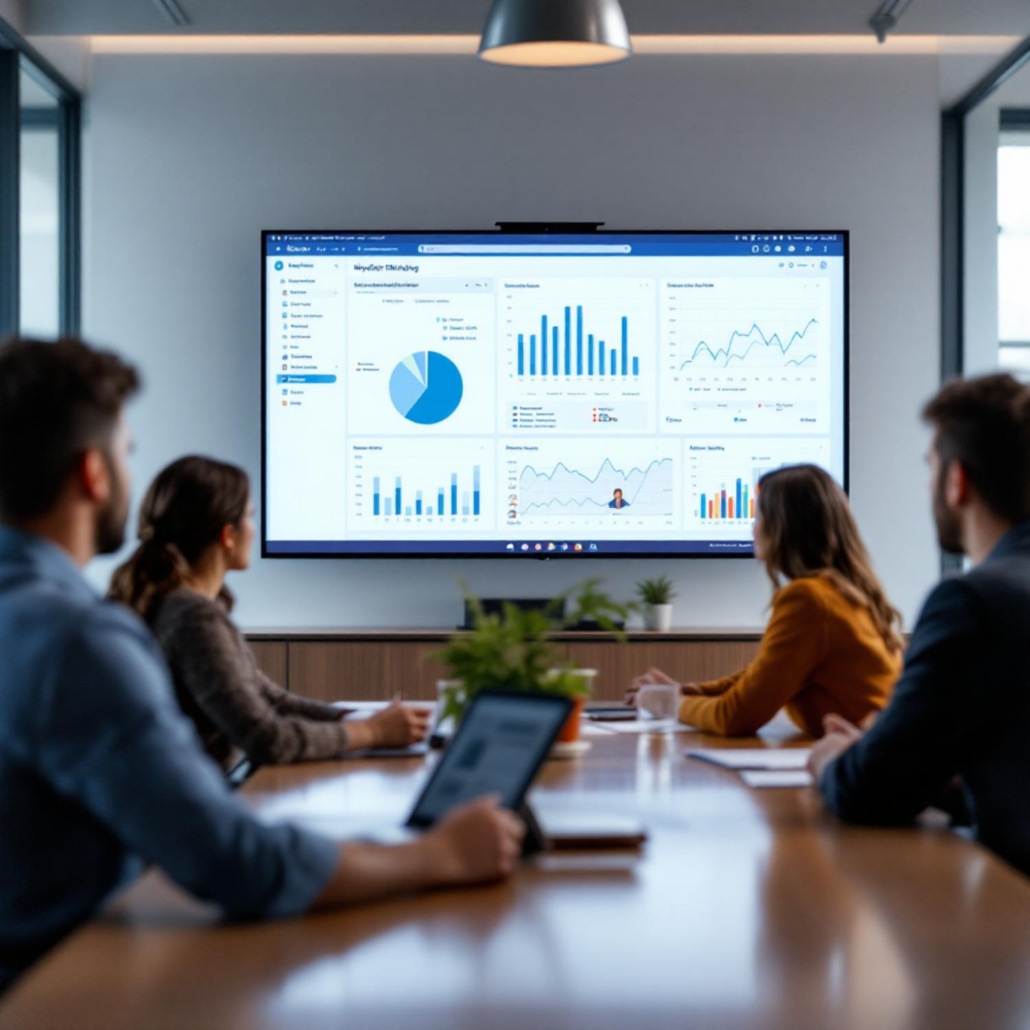
Boards now expect measurable, defensible ROI from marketing. MMM (Marketing Mix Modelling) resurges as the only robust way to capture long‑term brand effects and offline impact at scale. Leading brands blend MMM, digital attribution and incrementality testing to steer budgets.
New KPIs dominate C‑suite dashboards: customer lifetime value, repeat purchase rate, retention and churn, brand preference uplift, campaign contribution and margin – not just impressions, clicks or last‑click ROAS.
What it means:
Retailers must measure holistically, prove impact with confidence and shift spend towards what genuinely drives sales, profit and brand equity.
High performers are rewiring organisations around data, speed and collaboration. Cross‑functional growth squads (brand + e‑com + CRM + data + media + retail ops) are becoming standard. Brand tracking runs continuously, enabling rapid shifts in tone, creative focus and product prioritisation.
Real‑time dashboards guide day‑to‑day decisions; social listening powers trend response; and AI‑enabled content studios scale creative output without losing brand integrity or compliance.
What it means:
Success in 2026 requires organisational agility and insight as a daily operating system – not as a quarterly review exercise.

Build a durable first‑party data engine
Make loyalty, identity and consent the foundation of your marketing architecture – not an add‑on.
Invest in AI that elevates both creativity and commercial results
Use AI to expand variants, speed and testing, with humans owning brand, ethics and direction.
Make omnichannel experiences the backbone of brand and sales
Design journeys that join up store, social, e‑commerce and service – not separate them into competing silos.
Adopt MMM as your budget compass
Combine MMM with attribution and incrementality to defend brand budgets and optimise performance across channels and missions.
Organise teams around agile, insight‑driven decision‑making
Create cross‑functional squads, powered by live dashboards and continuous tracking, to act on insight in days, not months.
2026 will not reward fashion and retail brands that simply “do more digital” or push more promotions. It will reward Nordic CMOs who redesign marketing as a connected system: grounded in real shopper missions, powered by first‑party data and AI, measured with rigour and run by agile, cross‑functional teams.
If you want to benchmark your current set‑up, refine your 2026 plan or explore how CEPs, brand tracking and MMM can work together for your categories, Nepa can help.
LOOKING AHEAD
Nordic fashion and retail head into 2026 with consumer demand under pressure, rapid AI adoption, rising expectations for seamless omnichannel experiences and a tougher insistence on proof of ROI. Inflation and cautious spending define the macro backdrop – yet younger consumers still seek inspiration, community and values‑driven brands.
Retailers now have to deliver both: pragmatic value and emotional payoff – at scale, across channels, and under board‑level scrutiny.
Download the extensive report. Fill out the form and get access instantly.
CLIENTS


PRESS MEDIA
Trusted by +300 leading brands across all industries










CASE STUDIES





case studies
Through a strong partnership, Nepa equips GANT with real-time insights, driving smarter decisions and sustained growth.