Fashion retail marketing in the Nordics: What drove growth in 2025 – and the playbook for winning in 2026
Download the full 2025–2026 Fashion retail marketing Report
LOOKING BACK
What really shaped performance in 2025?
This executive summary distils the key marketing trends, lessons and success factors from Nepa’s work with leading fashion and lifestyle brands across Sweden, Finland, Denmark and Norway.
From the rise of social-first discovery and creator ecosystems, to sharper value drivers beyond “stylish”, the polarisation between ultra-fast and durable/circular models, and the growing importance of frequent fashion buyers — this overview shows how fashion brands grew in a year defined by shifting tastes, regulatory pressure and increasingly hybrid shopping journeys.
👉 Below is a condensed version of our full report Nordic Fashion Retail Marketing 2025–2026.
Download the full report for market-level data, case examples and practical guidance for your 2026 planning.
Below is the executive summery – fill out the form above to get access to our full report.
For Gen Z and Gen Alpha, fashion discovery in 2025 was overwhelmingly social-led. Short-form video, creators and shoppable formats became the primary way to influence what people want to wear – and which brands they buy from.
Consistent patterns across markets:
Nepa insight: For one European fashion brand, a 1pp increase in sender recall in Spain corresponded to roughly €77k in additional in-store sales per week – similar to the impact of a 1pp increase in total media contribution. Social-first marketing must therefore be brand-first as well, not just beautiful content.
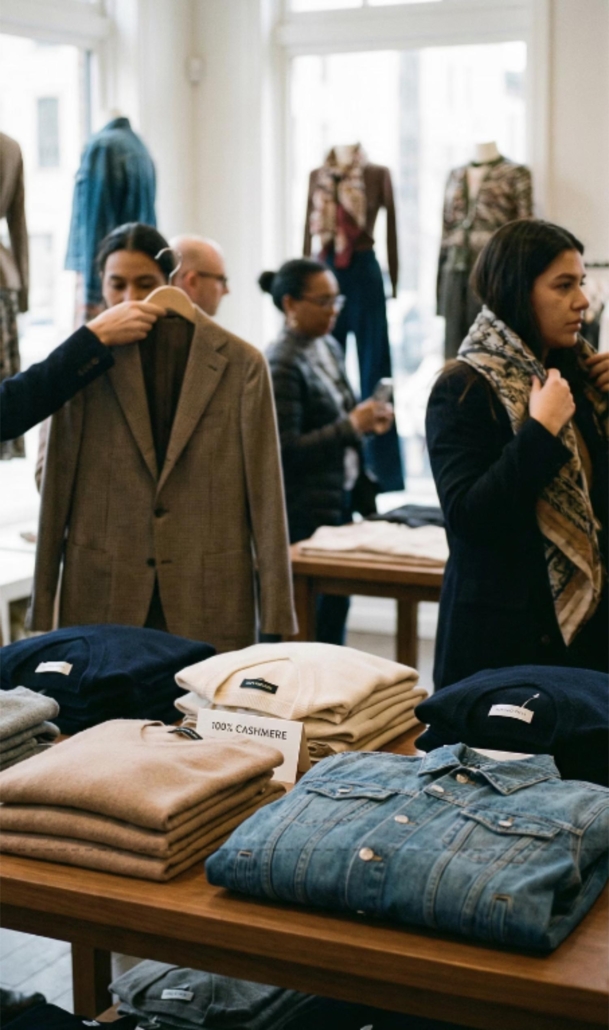
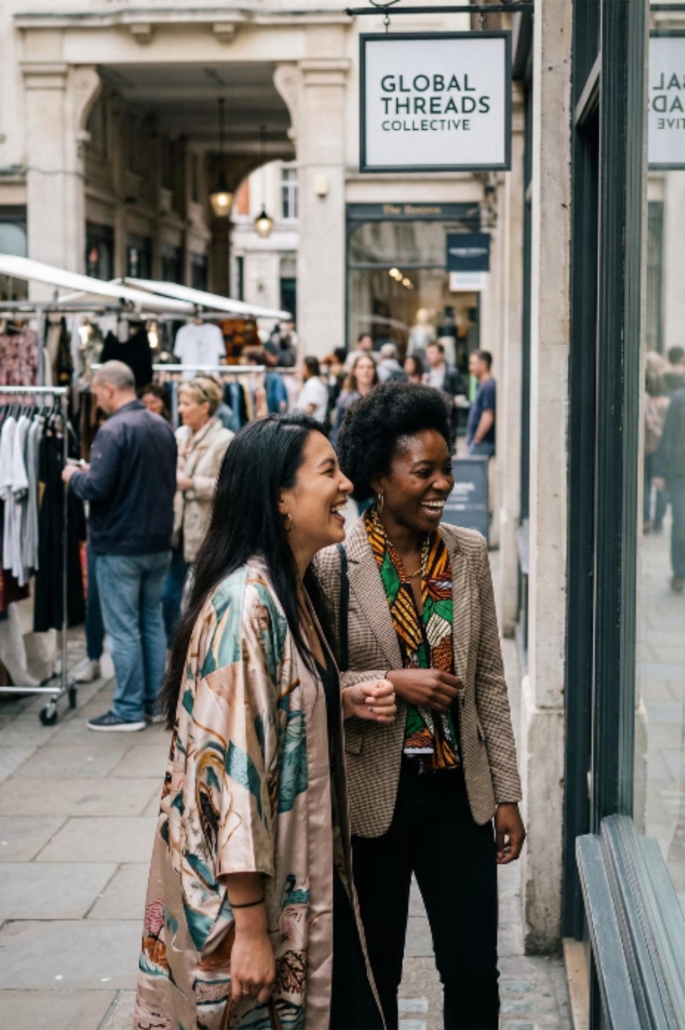
By 2025, most mid-market fashion brands could credibly claim to be “stylish”. The brands that grew found sharper, more concrete value drivers – and made them central to marketing and product stories.
What the data showed:
Nepa insight: Fashion marketing that shifts from vague “fashionability” to specific, testable value drivers – and then measures if campaigns actually move those attributes – outperforms style-only positioning.
Global lifestyle and fashion brands faced very different realities across countries. In some markets, awareness and conversion were strong; in others, the brand was still relatively unknown.
Key learnings from global tracking:
Nepa insight: Using global tracking as a portfolio steering tool – investing more where positioning resonates and headroom is large, and reshaping or de-prioritising weaker positions – led to clearer, market-by-market marketing strategies.
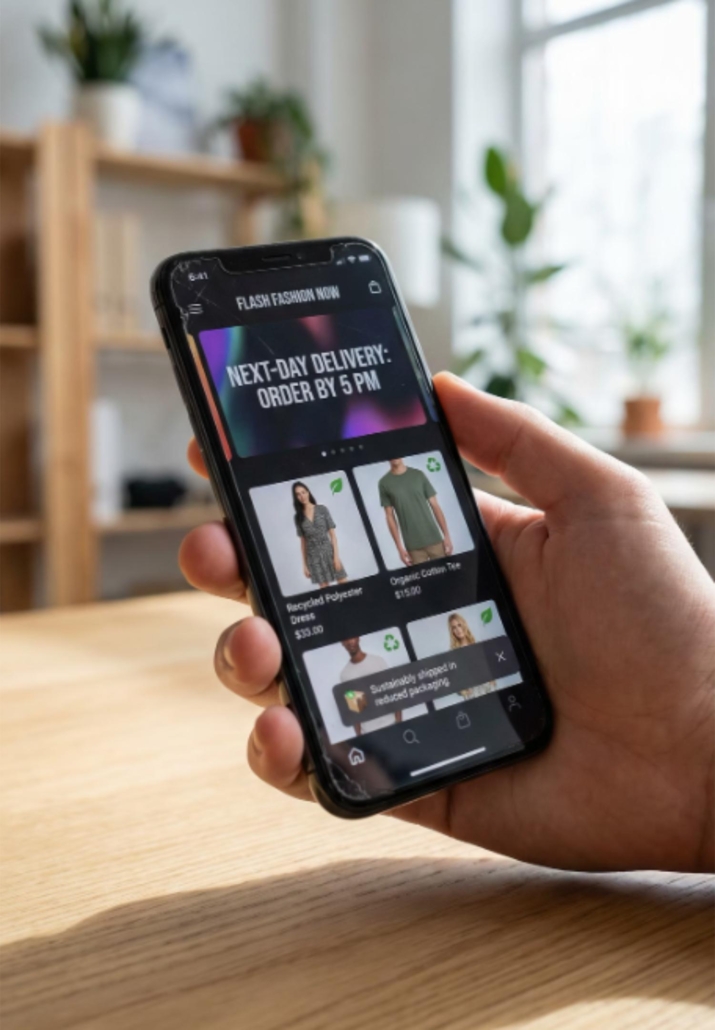
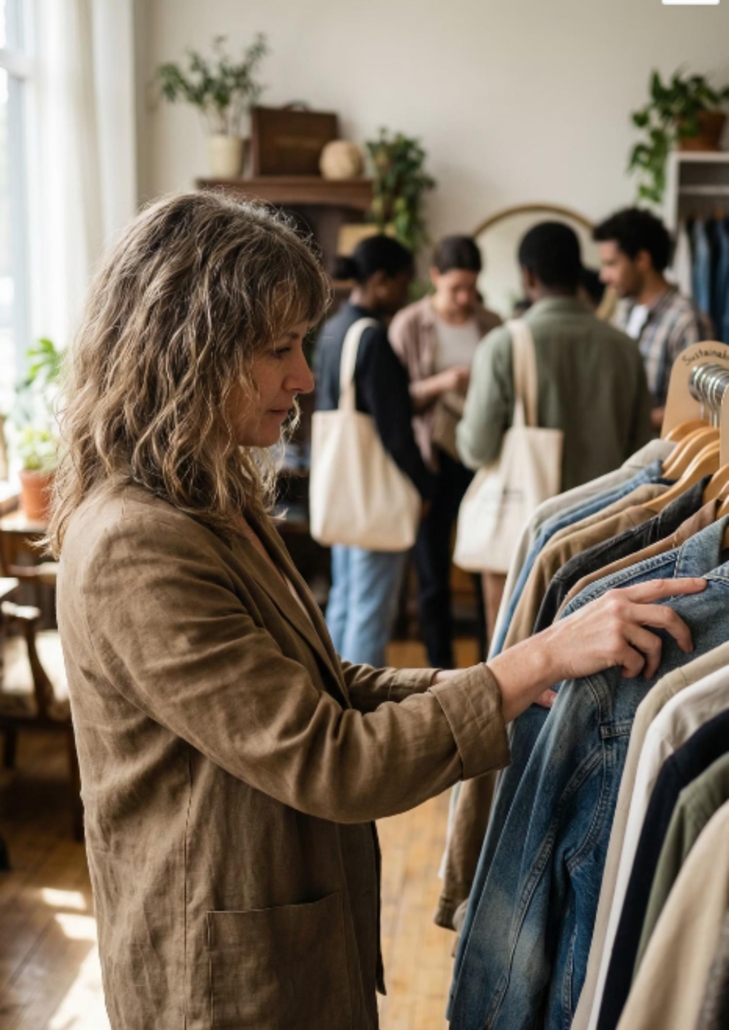
Ultra-fast platforms reshaped price expectations and captured a large share of online apparel value. At the same time, regulation and consumer pressure accelerated demand for quality, responsibility and circularity.
The emerging picture:
Nepa insight: Driver analyses show that “quality”, “great fit”, “versatile” and “sustainable” are decisive for consideration – especially among frequent fashion buyers. For most established brands, competing solely on lowest price is a weak long-term marketing strategy.
Frequent fashion buyers (FFBs) – those purchasing at least monthly – emerged as a critical growth segment for fashion marketing.
Across brands, patterns were clear:
Nepa insight: For a global fashion brand in the US, the primary growth opportunity was to increase awareness and relevance among FFBs – not to over-optimise lower-funnel metrics.
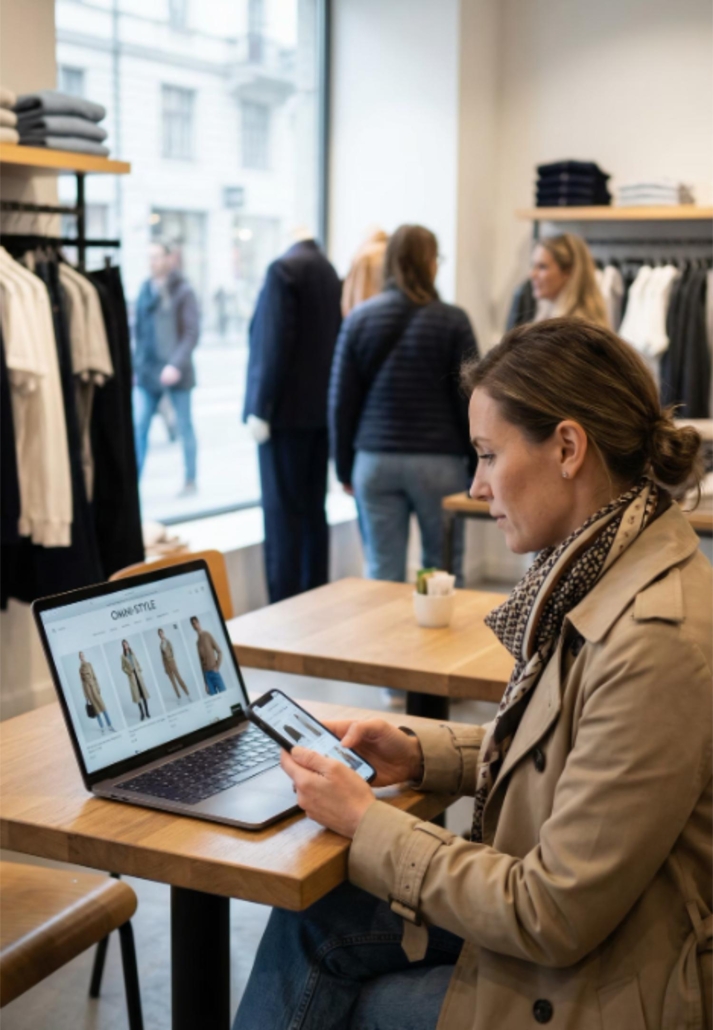

As privacy regulations made user-level attribution less reliable, leading fashion marketers leaned on structured, model-based measurement.
By combining:
…brands could make more confident marketing decisions.
Nepa insight: Treating Brand Tracking + Campaign Evaluation + MMM as one integrated “fashion trinity” gave marketers a holistic view of impact, instead of relying on last-click metrics that under-value brand and upper-funnel activity.
LOOKING BACK
What really shaped performance in 2025?
This executive summary distils the key marketing trends, lessons and success factors from Nepa’s work with leading fashion and lifestyle brands across Sweden, Finland, Denmark and Norway.
From the rise of social-first discovery and creator ecosystems, to sharper value drivers beyond “stylish”, the polarisation between ultra-fast and durable/circular models, and the growing importance of frequent fashion buyers — this overview shows how fashion brands grew in a year defined by shifting tastes, regulatory pressure and increasingly hybrid shopping journeys.
Download the full report for market-level data, case examples and practical guidance for your 2026 planning.
CLIENTS



PRESS MEDIA
Trusted by +300 leading brands across all industries










CASE STUDIES

case studies
Through a strong partnership, Nepa equips GANT with real-time insights, driving smarter decisions and sustained growth.